





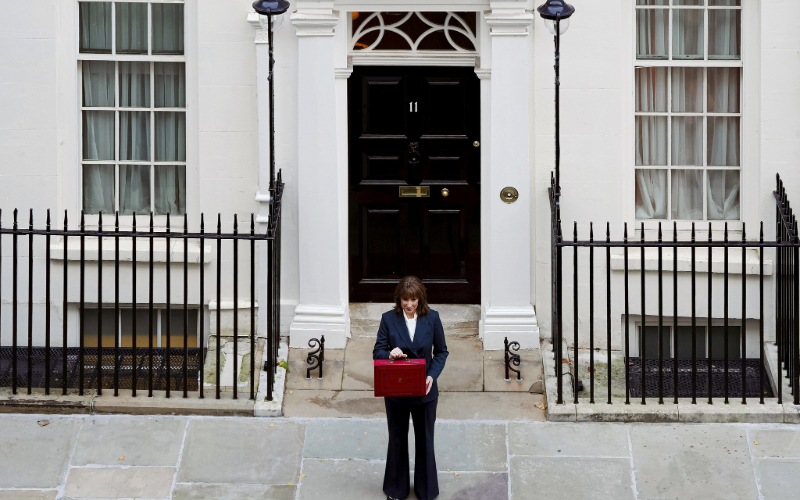
The Autumn Budget 2025 brings shifts for owners of growing businesses. The winners over the next few years will be those who plan early, adapt quickly and take decisive steps.
Income Tax and Savings: Act Before the Squeeze Tightens
With dividend tax rates rising by 2% in 2026 and a further 2% increase on property and savings income from 2027, combined with frozen personal allowances, more people will be pushed into higher tax brackets. Relief for finance costs on property income is tightening, and state pensions will enter the income tax net for the first time.
From 2027, ISA flexibility also changes: only £12,000 of the annual allowance can go into cash; the remaining £8,000 must be invested via a stocks & shares ISA.
Your next steps
- Impact: threshold freezes and higher rates mean more taxpayers will be dragged into self-assessment. If you receive rental income, consider whether rising compliance burdens (including Making Tax Digital quarterly filings from April 2026) still justify direct ownership.
- Property strategy: it may be time to exit underperforming lettings or explore corporate ownership structures. Our property tax team can map the costs and benefits.
- Savings: expect a double hit if you hold substantial cash: a reduced cash ISA limit and higher tax on savings income. Alternative wrappers and investment options are worth exploring.
- Financial direction: talk to us about your long-term wealth goals. Where useful, we’ll introduce you to the BKL Wealth Management team for independent financial advice tailored to your plans for yourself, your family and your business.
Inheritance Tax, Trusts and Estate Planning: Move Early to Protect Value
From 6 April 2026, business property relief (BPR) will be capped at £1m for assets qualifying at 100%. Any excess value will receive only 50% relief—creating an effective 20% IHT charge above the £1m threshold. The new £1m allowance is transferrable between spouses.
From 6 April 2025, relevant property charges for excluded property trusts created before 30 October 2024 will be capped at £5m per trust per 10-year period, covering both 10-year anniversary and exit charges.
Your next steps
- Planning before April 2026: consider establishing or restructuring trusts sooner rather than later. Our tax specialists can help you to factor in knock-on taxes such as Capital Gains Tax and stamp duties.
- Lifetime gifting: outright gifts remain IHT-free if you survive seven years. For families involved in business, gifting sooner may lock in greater value.
- Will and asset ownership: With will-writing among the services we offer to business owner, we can help ensure that your structures align with your estate goals and the new BPR landscape.
- Trustees: check your filings. Any 10-year or exit charges accounted for after April 2025 may need amending to reflect the new cap.
- Specialist guidance.: our IHT, trust and estate planning experts can help you optimise wealth transfer and protect more of your estate, considering your personal finances alongside your business interests.
Pension Salary Sacrifice: Use the Lead-In Period Wisely
From 6 April 2029, salary sacrifice pension contributions above £2,000 per employee will attract both Employer and Employee NICs.
Your next steps
- Testing scenarios: use the three-year window to determine the financial impact on both employees and the business.
- Communications: clear messaging and coordination between HR, finance and tax adviser is essential to keeping your employees informed.
- Maximising the window to 2029: salary sacrifice remains one of the most tax-efficient routes to retirement savings until the new rules take effect.
- Wide-ranging specialists.: our employment tax, payroll and people & culture teams can guide you through design, implementation and compliance.
Mansion Tax / High-Value Council Tax Surcharge: Expect a Higher Annual Cost
From April 2028, a high value council tax surcharge will apply to UK residential properties valued at £2m or more. Charges start at £2,500 and rise to £7,500 for homes worth over £5m. The tax will be levied on owners, not occupiers.
Your next steps
- Ownership structures and future plans: understanding how the surcharge interacts with your wider property strategy is key. Our specialists can help you plan efficiently.
Enterprise Incentives: Position Your Business for Growth
From April 2026:
Company eligibility thresholds for EMI schemes rise substantially.
Limits for EIS and VCT investments increase.
Income tax relief for VCT investors drops from 30% to 20%.
Your next steps
- Attracting talent and investment: these changes could make EMIs, EIS and VCTs more accessible to your business – but strategy matters.
- Expert input early: our corporate finance and fractional CFO specialists can help you design incentives, attract the right investors and fuel sustainable business growth.
VAT
Several VAT reforms will affect pricing, compliance and opportunities for relief for UK and overseas businesses over the next few years.
From April 2029, all VAT-registered businesses must issue electronic VAT invoices for B2B supplies.
From April 2026, eligible goods donated by businesses to charities will qualify for the zero rate of VAT.
From 26 November 2025, alongside the Autumn Budget announcements, HMRC reinstated their previous policy on cross-border VAT groups, allowing overseas establishments to be included in UK VAT groups.
Your next steps
- Assessing system upgrades: starting early will ensure smooth adoption.
- Reviewing documentation and processes: If your company makes regular donations to charities, thorough preparation will help you to benefit fully.
- Reviewing historic VAT: UK businesses with cross-border VAT groups should consider reclaim opportunities before claim windows close.