




Autumn Budget 2026: property announcements
So the good news for property owners is that there is no increase in the general capital gains tax (CGT) rates or for property specifically.
As always speculation had reached fever pitch that rates would increase or even be equalised with income tax. The rumours had largely been scotched before the Budget and that was confirmed.


The bombshell for property landlords was a further 2% increase on property (and also savings) income.
In 2025 when an extra 2% income tax was added for property and savings income, we understood that this was because income isn’t subject to National Insurance. The justification for a further 2% is less clear.
A bond trader earning £2m per year pays a top rate of income tax of 45%. A person who has worked all their life and used some of their savings to buy properties, and in retirement uses rental income to supplement their pension, now faces a top rate of 49% or rates of 4% more than everyone else pays. No increased tax for the working man! We guess it depends how you define working man.
The Government has published its response to a consultation document about modernising the tax treatment of distributions.
Tucked away in the original document was a section dealing with demergers. For property investment companies, demergers are an important tool for partitioning property between shareholders such as siblings inheriting a company from their parents.
The proposal is that non-statutory capital reduction demergers will be ended. Statutory demergers are not currently available for property investment companies, but it is proposed these will be extended to them. So investment companies will still be able to demerge but the way in which they do this will change.
Find out more in our insight SOS – save our demergers: how HMRC’s consultation may affect your plans
The new First Time Buyer ISA will replace the existing lifetime ISA from April 2029.
This will provide a 25% Government bonus up to a maximum of £20,000 when used to buy a first home up to £450,000. This will be a welcome help to young people trying to get a foot on the housing ladder.
There were various announcements concerning business rates including more reliefs for retail, hospitality, leisure and smaller business.
The sting in the tail is that the Government is proposing to introduce a General Anti-Avoidance Rule for business rates. This underlines the importance the Government attaches to business rates as part of the overall tax system.
The Government also published its response to its earlier survey on the impacts of business rates on investment. The next steps section of this states that the Government is committed to a business rates system that supports growth and strengthens local economies.
There was no mention in the Budget of a Wealth or Property Value Tax. The business rates announcements suggest that the Government might work within the framework of business rates rather than looking to introduce these new taxes.
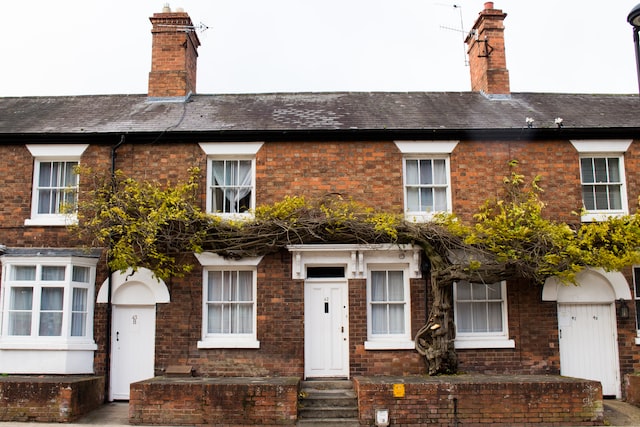
As previously announced there will be changes to stamp duty land tax (SDLT) rules to ensure that no SDLT charge arises when entering into an AST.
There was concern that following changes in the Renters’ Rights Act, SDLT could rise.
There was also a change to the SDLT rules to ensure that following an intra-group transfer of a property followed by a winding up of the vendor company, the SDLT group relief is withdrawn if the buyer company alter changes hands.
How BKL can help
Our property sector expertise is well-established and continually updated: it’s one of the largest sectors in our client base. This means that we can guide you through the challenges – from regulations and taxes to financing and structuring – and help you to turn your ambitions into reality.
For a chat about your property plans, the impact of the Budget and the tax implications, get in touch with Andrew using the form below.
Contact Andrew