





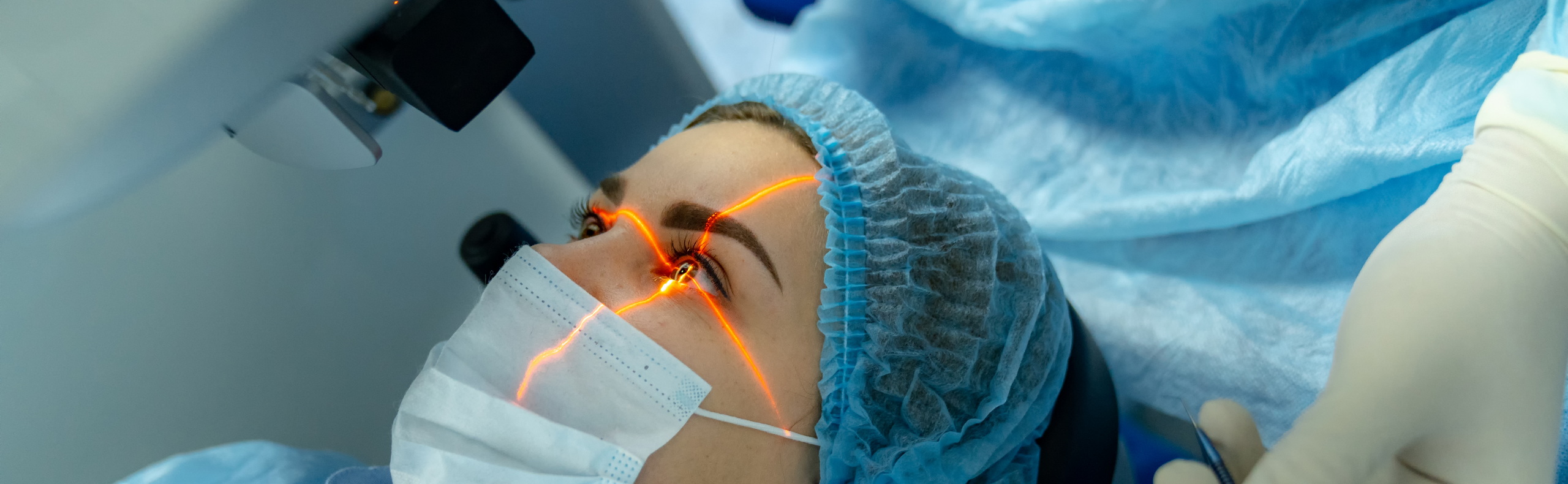
The major VAT risk that IVF, dental and laser eye clinics may be facing
Clinics providing fertility, dental and laser eye surgery services often wrongly assume that they do not need to be VAT registered.
We have seen increasing cases over recent months of HMRC assessing small clinics for hundreds of thousands of pounds of VAT plus penalties and interest.
Common instances can be split into clinics and practices which:
- Incorrectly treat their income as VAT exempt
- Are unaware that their advertising spend may create a VAT registration obligation
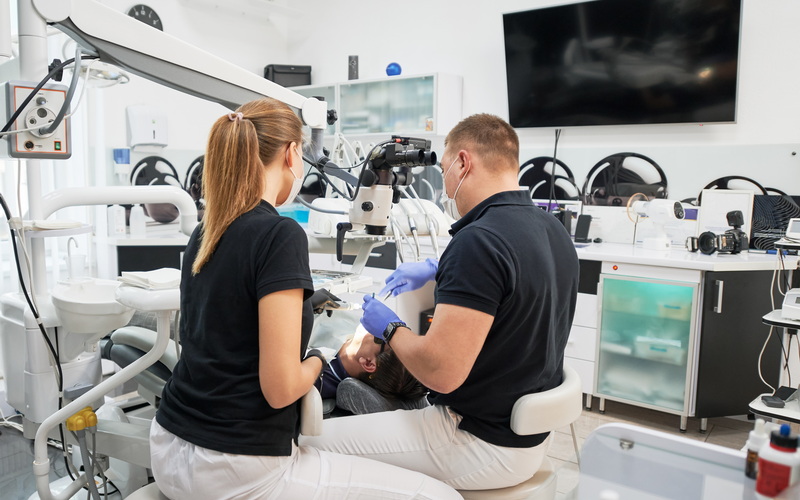
VAT exemption and the definition of medical care
It is common knowledge that the provision of healthcare can be VAT exempt. Less understood are the conditions and criteria for being treated as healthcare for VAT purposes.
The VAT exemption applies to “the supply of services consisting in the provision of medical care by a person registered or enrolled in the register of medical practitioners”, and certain other registers such as ophthalmic opticians, osteopaths, chiropractors and nurses.
There is a long line of EU and UK caselaw which defines medical care as services intended to either:
- Diagnose, treat or cure health disorders
- Protect, maintain or restore health
A significant risk here is posed by “client-led” treatment, e.g. a walk-in customer asking for a Botox injection. The issue is that the healthcare VAT exemption can only apply if the primary purpose of the procedure is to treat a disease or health disorder. Therapeutic aims can coexist with cosmetic aims; but if the primary purpose is cosmetic and not medical treatment, the VAT exemption is unlikely to apply.
While the VAT treatment is fact-sensitive, the ability to obtain a service on demand will be one factor (among multiple factors) weighted against the service consisting of “medical care”.
Another issue is that diagnosis by a qualified medical professional is generally required for healthcare to be VAT exempt. While this is not a formal condition in the legislation, HMRC and the tribunals/courts would expect to see “cogent reasons” for the absence of a diagnosis.
Advertising expenditure and the VAT reverse charge
Many of the clinics we advise have large advertising expenditure compared to the size of their business. This expenditure often creates a hidden VAT risk.
A number of large advertising firms (such as Google, Meta/Facebook and LinkedIn) are established in Ireland or otherwise outside the UK. These overseas firms do not charge UK VAT on their advertising invoices. This would disadvantage UK advertising businesses whose offerings would be less attractive without a legal mechanism to redress the balance.
There is such a mechanism – known as the VAT reverse charge – but it puts the burden on the buyer of advertising (and many other services bought from overseas suppliers). Under the reverse charge:
- The business buying relevant services from overseas must account for the ‘missing’ VAT on the services purchased
- If the business is not registered for VAT e.g. because its services are VAT exempt, it must take these reverse charge purchases (together with any taxable revenue) into account for the purposes of the VAT registration threshold
- If purchases breach the threshold, which is currently £90,000, the business must register and account for VAT on reverse charge purchases
What to do next and how BKL can help
For all private clinics providing fertility, dental, ophthalmic, cosmetic, healthcare or other similar services, we recommend performing a VAT review for potential hidden risks.
Our VAT team has a wealth of experience advising clinics. This includes helping them to strengthen their position when preparing for and dealing with HMRC enquiries.
An HMRC or tribunal decision in this area often depends on having the ideal evidence at hand. This is something our VAT team specialises in.
Our VAT team also regularly provides VAT review services to the healthcare sector, enabling our clients to recognise and get ahead of potential risks.
For edge cases, we have a strong record of obtaining binding decisions from HMRC.
For a chat about how we can help your business, get in touch with your usual BKL contact or Luigi Lungarella using the form below.
Contact Luigi

Frequently asked questions: VAT risk for private clinics and practices
What types of clinics are most at risk of unexpected VAT liabilities?
Clinics offering IVF, dental, ophthalmic, cosmetic or laser eye procedures are most exposed to hidden VAT risks. These businesses often assume their services are VAT exempt, but HMRC frequently challenges this where treatments are client led, cosmetic in nature, or lack a clear medical diagnosis.
Advertising spend with overseas platforms can also trigger compulsory VAT registration. Any clinic providing private healthcare adjacent services should review its VAT position regularly to avoid assessments, penalties and interest.
How do HMRC decide whether a treatment qualifies as VAT exempt medical care?
HMRC treats a service as VAT exempt only if its primary purpose is the diagnosis, treatment or prevention of a disease or health disorder. Cosmetic aims can be present, but they cannot be the main driver.
HMRC also expect involvement from a qualified medical professional and, in most cases, a documented diagnosis. Where clients can request treatments on demand, HMRC may argue the service is cosmetic rather than medical, increasing VAT exposure.
Why do HMRC say these schemes don’t work?
HMRC’s position is that anti-avoidance rules, particularly the mixed partnership rules, override the intended tax benefits.
In practice, HMRC may reallocate profits back to the individual landlords and apply higher income tax rates, while also enforcing normal restrictions on interest relief. This means the structure may be ignored for tax purposes, removing the expected advantages and potentially increasing the overall tax liability.
Does a clinic need to charge VAT if a treatment has both cosmetic and medical elements?
A treatment with mixed purposes can still be VAT exempt, but only if the dominant purpose is therapeutic. If the cosmetic element outweighs the medical need, HMRC are likely to treat the service as taxable.
Clinics should maintain clear clinical notes, diagnostic evidence and practitioner assessments to demonstrate the medical rationale. This is especially important for procedures such as Botox, fillers, laser treatments and elective dental work.
Can advertising spend really force a clinic to register for VAT?
Yes. Advertising purchased from overseas suppliers such as Google, Meta or LinkedIn is subject to the reverse charge. Even if a clinic’s own services are VAT exempt, reverse charge advertising counts towards the VAT registration threshold. If these purchases exceed £90,000 in a 12 month period, the clinic must register for VAT and account for VAT on those services. Many small clinics are unaware of this obligation until HMRC raise an assessment.
What is the VAT reverse charge and why does it affect healthcare providers?
The reverse charge requires UK businesses to self account for VAT on certain services bought from overseas suppliers. For clinics that are not VAT registered – often because they believe their services are exempt – these purchases still count towards the VAT registration threshold. This creates a hidden compliance risk for clinics with significant digital marketing spend, outsourced admin services or international suppliers.
What happens if a clinic should have been VAT registered but wasn’t?
If HMRC determine that a clinic should have registered for VAT, HMRC can assess VAT going back up to four years (or up to 20 years in cases of deliberate behaviour). HMRC may also charge penalties and interest. Assessments can reach hundreds of thousands of pounds.
Early VAT reviews, accurate record keeping and proactive engagement with HMRC can significantly reduce exposure.
How can clinics evidence that a treatment is genuinely medical rather than cosmetic?
Clinics should maintain clear diagnostic records, practitioner assessments, treatment notes and evidence of medical necessity. Where a diagnosis is not formally documented, HMRC expects “cogent reasons” for its absence. Strong clinical governance, consistent documentation and clear patient pathways help demonstrate that services fall within the healthcare VAT exemption.
Are fertility and IVF services always VAT exempt?
Not always. Many fertility treatments qualify as medical care, but certain ancillary services, elective add ons or client requested procedures may fall outside the exemption.
IVF clinics should review each revenue stream individually, as HMRC may challenge blanket VAT exempt treatment of all services. A structured VAT review can help identify which elements are exempt, taxable or mixed.
What VAT risks do dental and laser-eye clinics commonly overlook?
Dental and ophthalmic clinics often assume all their services are exempt, but elective cosmetic dentistry, laser eye surgery without a medical diagnosis, and patient requested enhancements may be taxable. High advertising spend with overseas platforms can also trigger compulsory VAT registration. These sectors are currently a focus area for HMRC, making proactive review essential.
When should a clinic seek professional VAT advice?
A clinic should seek advice when:
- It offers any elective or cosmetic adjacent treatments
- Clients can request procedures without clinical assessment
- It spends heavily on digital advertising
- It is unsure whether its services meet the medical care exemption
- It has received an HMRC enquiry or nudge letter
- It plans to expand, restructure or introduce new services
Early advice helps reduce risk, strengthen evidence and avoid costly HMRC assessments.
Is it a misconception that all healthcare services are automatically VAT exempt?
Yes. Many businesses assume that “healthcare” and “VAT exemption” are synonymous, but the exemption is narrowly defined. It applies only to services with a primary medical purpose delivered by appropriately registered professionals. Cosmetic, elective or client led treatments often fall outside the exemption. This misunderstanding is one of the most common causes of unexpected VAT liabilities.